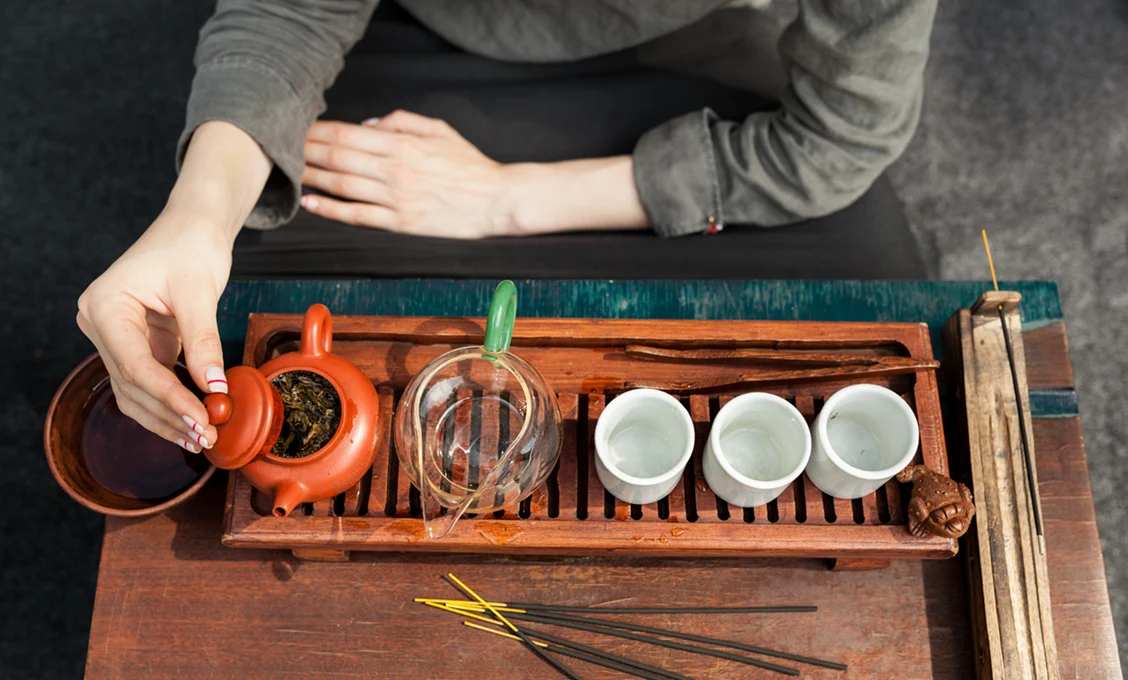
What Is the Chinese Tea Ceremony?
Key aspects of the Chinese tea ceremony include:
- Tradition and Heritage: Preserves centuries of tea culture, techniques, and etiquette passed down through generations.
- Mindfulness and Focus: Every step, from selecting tea leaves to pouring and serving, is performed with care, encouraging presence and awareness.
- Social Connection: Sharing tea fosters communication, hospitality, and bonding among participants, much like sharing a thoughtfully prepared meal at Men and Beasts.
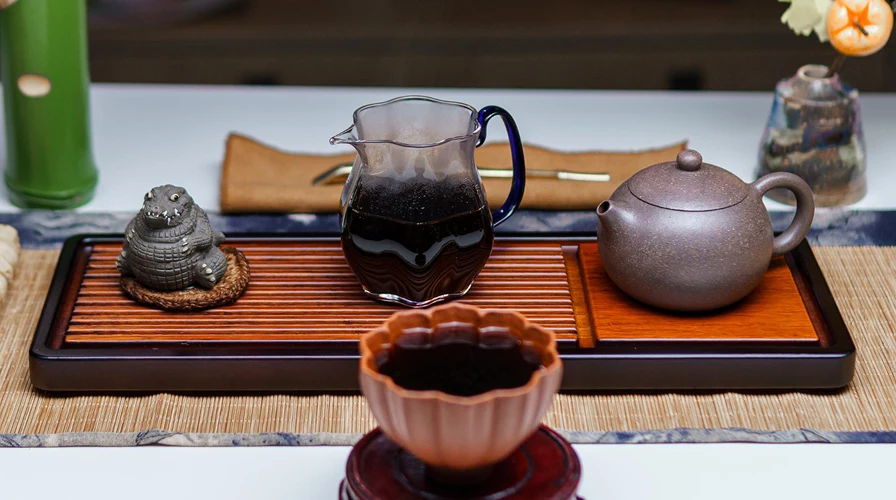
Understanding Chinese Tea
Common types of Chinese tea include:
- Green Tea: Light and fresh with a delicate aroma, ideal for shorter steeping times.
- Black Tea: Fully oxidized with robust flavors and rich color, offering a bold taste.
- Oolong Tea: Partially oxidized, balancing floral and fruity notes with a smooth finish, suitable for multiple infusions.
- White Tea: Lightly processed with gentle sweetness, best brewed at lower temperatures.
- Pu-erh Tea: Fermented and aged, providing earthy and complex flavors that develop over multiple infusions.
Brewed Tea: From Leaf to Cup
Key factors in brewing tea include:
- Water Quality: Fresh, clean water enhances the natural flavors of the tea, while impurities or overly hard water can alter taste.
- Temperature: Different types of tea require specific water temperatures to extract their optimal flavor without bitterness.
- Steeping Time: Precise infusion times allow the tea to develop its intended aroma, strength, and color, especially during multiple infusions common in Gongfu Tea.
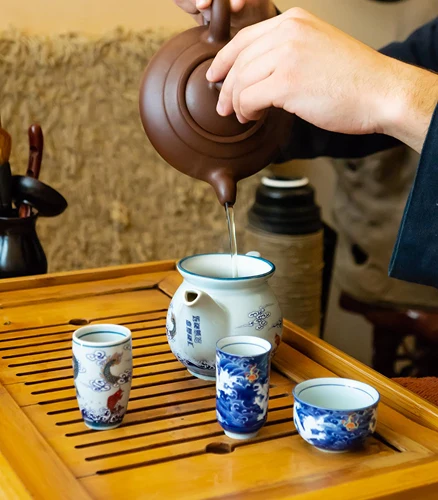
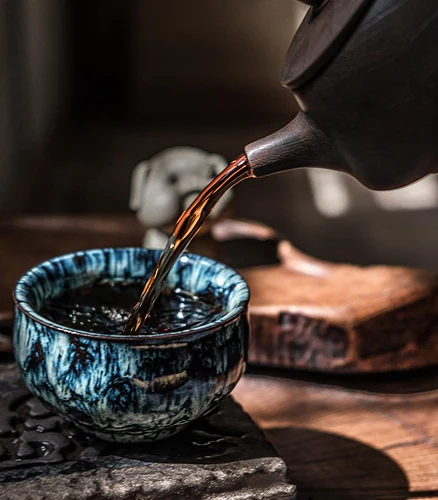
Brewing Vessel: The Tools of Gongfu Tea
Key brewing vessels include:
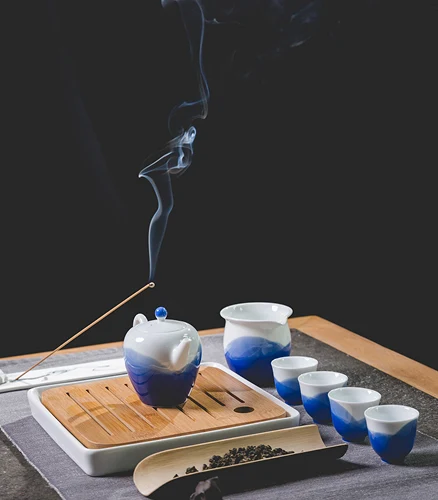
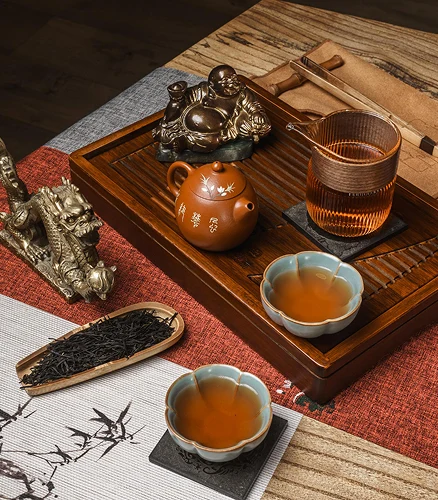
- Teapot: Often made of clay, it retains heat and allows leaves to expand fully, enhancing flavor.
- Gaiwan: A lidded bowl for steeping tea, offering precise control and multiple infusions.
- Tea Tray: Catches spills and organizes vessels while adding a ceremonial touch.
- Cups: Small, handleless cups encourage mindful sipping and appreciation of aroma and taste.
Gong Fu: The Art and Technique
Key elements of Gong Fu in tea preparation include:
- Precision: Every step, from measuring tea leaves to timing the infusion, is carefully controlled to extract optimal flavor.
- Patience: Gongfu Tea encourages slow, deliberate actions, allowing each infusion to reveal its unique aroma and taste.
- Mindfulness: Focusing on the process rather than rushing creates a meditative and immersive experience.

Gongfu Style Brewing
Key steps in Gongfu style brewing include:
- Warming Vessels : Preheating the teapot, gaiwan, and cups ensures consistent temperature and improves flavor extraction.
- Rinsing Leaves: A quick rinse with hot water awakens the tea leaves and removes any impurities, preparing them for the first infusion.
- Multiple Infusions: Tea leaves are brewed several times, with each infusion offering different flavor profiles and intensities.
- Use the right water temperature for the specific tea type to avoid bitterness or weak flavors.
- Measure tea leaves carefully to maintain balance and consistency.
- Pour tea evenly into cups to showcase its color and aroma, making the experience visually pleasing as well as flavorful.
Gong Fu Cha: The Complete Ceremony
During a Gong Fu Cha session, you can expect:
- Preparation of Tools : Setting up the teapot or gaiwan, cups, tea tray, and utensils in an organized and visually appealing manner.
- Warming and Rinsing: Preheating the vessels and rinsing the tea leaves to awaken their flavors.
- Multiple Infusions: Brewing the tea several times, with each infusion offering subtle variations in taste and aroma.
- Serving and Sipping: Pouring tea carefully into small cups and appreciating its aroma, color, and flavor.
- Handling the tea vessels with care and respect.
- Pouring evenly and attentively to ensure fairness among participants.
- Maintaining a calm and focused presence throughout the session.
Drinking Tea: Savoring the Experience
Techniques for savoring tea include:
- Appreciating Aroma : Gently inhaling the scent of the tea before each sip to engage the sense of smell.
- Tasting with Awareness: Taking small sips and allowing the flavors to develop on the palate, noticing subtle notes and complexity.
- Observing Texture: Paying attention to the body, smoothness, and mouthfeel of the tea to fully appreciate its character.
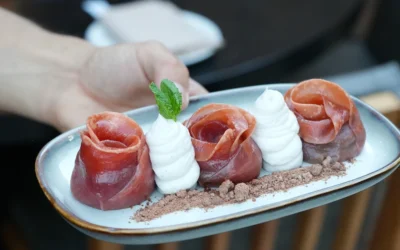
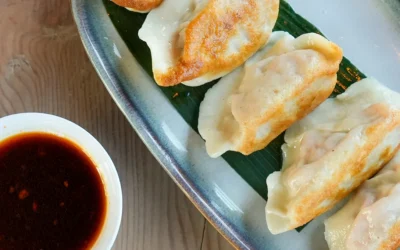
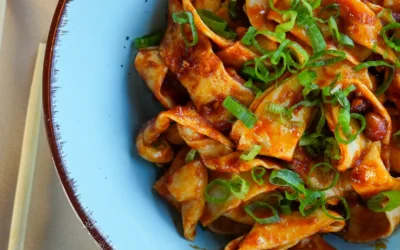
The same mindful appreciation can be applied to enjoying food. Men and Beasts offers carefully crafted brunch and dinner dishes designed to engage your senses and enhance your culinary experience.


Smashed Cucumber

Fried Rice
Sweet & Sour Mushroom


Smashed Cucumber
Fried Rice
Kung Pao Tofu


Cheddar Rangoons
Sweet & Sour Mushroom
M&B Ice Cream
Beancurd Enchiladas
Bao Beignets
Baby Carrot
Gong Fu Tea for Beginners
Recommended teas for beginners include:
- Black Tea: Robust flavor and forgiving brewing process, ideal for first-time practitioners.
- Oolong Tea: Balanced flavor and multiple infusions, helping beginners explore Gongfu brewing techniques.
- Green Tea: Light and fresh, suitable for shorter infusions and gentle flavor exploration.
- Using water that is too hot, which can make tea bitter.
- Oversteeping leaves, which can overwhelm delicate flavors.
- Rushing through the brewing process instead of following mindful steps.
- Start with a short, focused tea session to build confidence.
- Use a small teapot or gaiwan for home practice and multiple infusions.
- Observe the aroma, color, and taste of each infusion to make tea drinking a mindful ritual.
Gongfu Tea offers a way to connect with centuries of Chinese tea culture while enjoying the rich flavors and aromas of carefully prepared tea. Much like Men and Beasts, where traditional techniques, thoughtfully sourced ingredients, and fine loose-leaf teas create a sensory-rich experience, Gongfu Tea transforms a simple cup into an artful ritual. From understanding the history of the Chinese tea ceremony to mastering Gongfu brewing techniques, each step enhances appreciation and mindfulness. Beginners can turn everyday tea drinking into a practice of focus, patience, and sensory enjoyment, experiencing the artistry and cultural significance that both Gongfu Tea and Men and Beasts bring to each sip and bite.