
In Chinese culture, tea drinking fosters connection, respect, and harmony. Sharing tea nurtures relationships and honors tradition, with Gongfu Tea at the heart of the Chinese Tea Ceremony. At Men and Beasts, both beginners and seasoned tea drinkers can enjoy calm reflection and a deeper appreciation for the art and culture of each cup.
Gongfu Tea
The philosophy of Gongfu Tea centers on precision, patience, and enjoyment. From measuring the right amount of tea to controlling water temperature, every action contributes to a refined and balanced cup. Practitioners focus on the rhythm and flow of the ceremony, fully appreciating the aroma, taste, and texture of the tea.
Common teas used in Gongfu Tea practice include:
- Oolong tea for its rich, layered flavors and multiple infusions
- Pu-erh tea known for its deep, earthy notes and aging potential
- Green tea with fresh, delicate flavors that require careful brewing
- Black tea for its bold taste and aromatic complexity
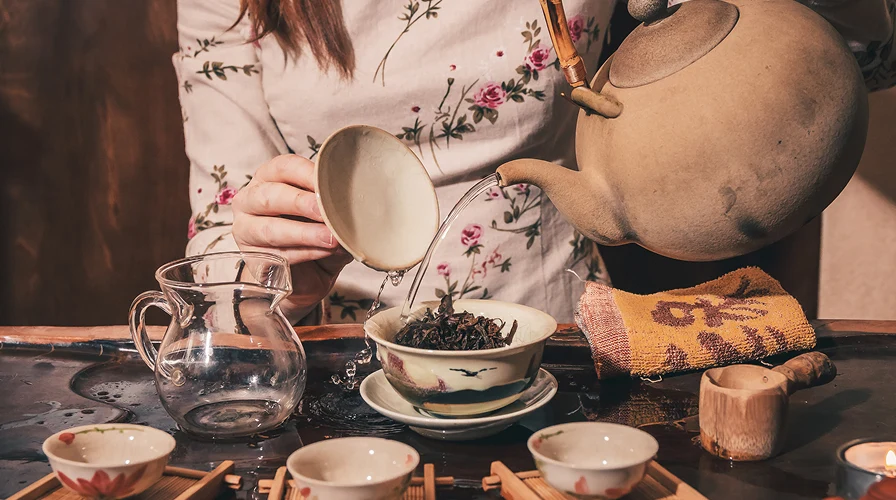
Chinese Tea Ceremony
The Chinese Tea Ceremony has a rich history spanning thousands of years, reflecting the cultural, spiritual, and social significance of tea. Originating during the Tang and Song dynasties, these ceremonies emphasized respect for the tea, the host, and the guests while cultivating harmony, mindfulness, and refined etiquette. At Men and Beasts, this tradition is celebrated with carefully curated loose-leaf teas and attentive tea service, allowing guests to experience Chinese tea culture in a modern dining setting.
Gongfu Tea is central to the ceremony, highlighting skill, precision, and appreciation for tea. Measuring leaves carefully, controlling water temperature, and timing each infusion transform a simple beverage into an immersive sensory experience.
Mindfulness and etiquette are key elements of the ceremony. Practitioners are encouraged to:
- Approach each step with calm attention and intention
- Respect the tea, the tools, and the process
- Foster connection with guests through shared appreciation of tea
- Emphasize patience and presence over speed or efficiency
Gongfu Tea Ceremony
A typical Gongfu Tea Ceremony involves several key steps:
- Warming the teaware by pouring hot water into the teapot and cups
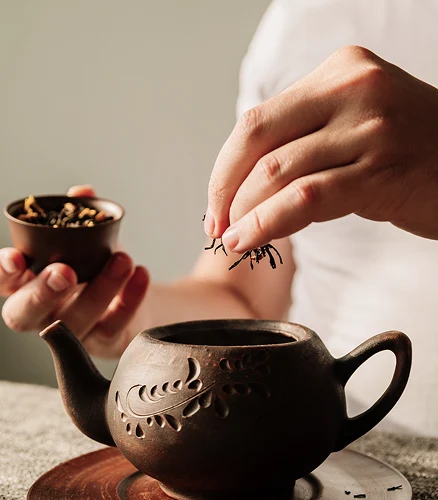
- Measuring the tea leaves to ensure the proper balance of flavor and aroma
- Rinsing the leaves briefly to awaken their fragrance and remove impurities
- Pouring hot water over the leaves in measured intervals to control infusion strength
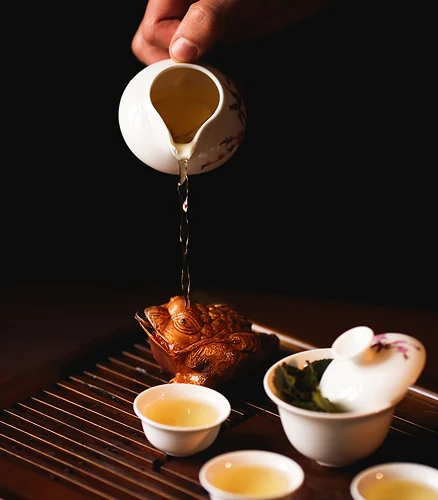
- Decanting the tea into a fairness cup for even distribution before serving
- Serving the tea in small cups, savoring each sip to appreciate its complexity
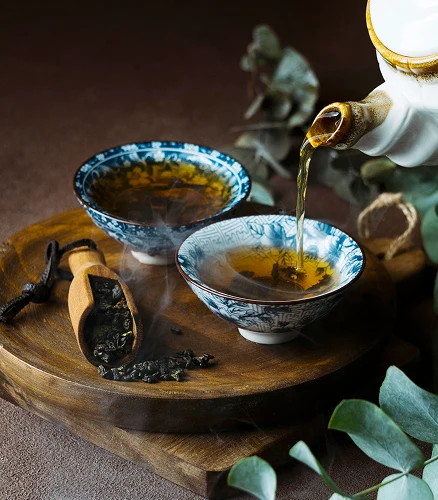
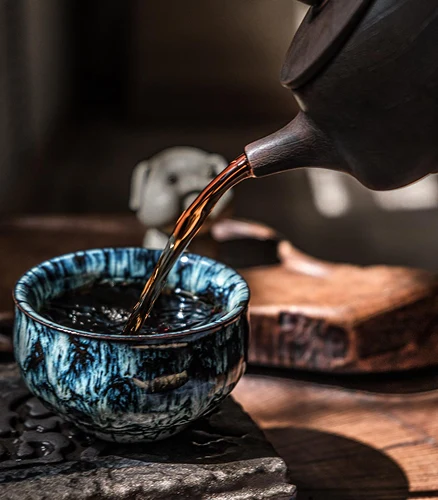
Hot Water
Boiling water awakens the leaves and enhances their natural aroma. In Gongfu Tea, water is poured in a controlled manner, either in multiple short infusions or a single precise pour, to extract the tea’s essence while preserving delicate notes, bringing out richness, complexity, and subtlety.
Tips for beginners on handling hot water include:
- Use fresh, filtered water to avoid off-flavors
- Bring water to the correct temperature for the tea type
- Pre-warm teaware by rinsing cups and the teapot
- Pour slowly to ensure even brewing and prevent spills
- Handle hot water carefully to avoid burns
Gongfu Cha
The practice of Gongfu Cha emphasizes skill, focus, and dedication to the art of tea. Every action, from measuring the tea leaves to pouring the water, is performed deliberately to ensure a balanced and harmonious cup. This approach allows tea drinkers to appreciate the subtle nuances of taste and fragrance, turning tea preparation into a mindful and immersive experience.
Gongfu Cha is closely related to Gongfu Tea and the Gongfu Tea Ceremony. It forms the foundation of the ceremony by guiding the brewing process and ensuring that each infusion is carefully crafted. Practicing Gongfu Cha allows participants to fully engage with the tea, honor traditional techniques, and experience the meditative and cultural richness of the Gongfu Tea ritual.
Key aspects of Gongfu Cha include:
- Precise measurement of tea leaves to achieve optimal flavor
- Controlled water temperature and timing for each infusion
- Multiple short infusions to explore the evolving taste of the tea
- Mindful pouring and serving to enhance the sensory experience

Pour Hot Water
A slow, circular pour evenly saturates the leaves, preventing bitterness and ensuring consistent flavor. Multiple short infusions reveal evolving flavors with each steeping, creating a richer sensory experience.
Tips for pouring hot water effectively include:
- Maintain a steady hand and pour in a controlled, gentle stream
- Angle the teapot or kettle to cover all leaves evenly
- Adjust timing based on tea type and desired strength
- Use multiple short infusions to explore flavor layers
- Avoid splashing or rushing to preserve the tea and ceremony
Fairness Cup
Using a fairness pitcher promotes harmony during the Gongfu Tea Ceremony by allowing the tea to cool slightly and distribute evenly. It reflects the precise and mindful nature of Gongfu Tea, emphasizing attention to detail in serving.
Practical tips for using the fairness pitcher include:
- Pour immediately after brewing to capture optimal flavor
- Hold the pitcher steadily to avoid spills and ensure smooth distribution
- Use gentle, consistent pouring when serving multiple cups
- Pre-warm the pitcher with hot water to maintain the tea temperature
- Clean thoroughly to preserve flavor for future brews
Cultural Heritage
This tea practice plays an important role in family gatherings, social interactions, and ceremonial occasions. Sharing tea fosters conversation, bonding, and the celebration of special moments, while emphasizing respect for both the tea and those present.
Key aspects of mindful Gongfu Tea practice include:
- Careful preparation that honors traditional brewing techniques
- Attention to detail in every step of the ceremony
- Respectful serving and sharing to maintain cultural significance
- Encouraging reflection and presence to connect participants with the deeper meaning of the ritual
Brewed Tea
Each infusion offers a unique experience:
- First infusion: fragrant and mild, perfect for awakening the senses
- Second infusion: richer flavors and fuller body
- Third infusion and beyond: subtle earthy or sweet undertones, depending on the tea type
- Texture: ranges from smooth and light to robust and velvety
- Take small sips to notice subtle differences in taste and aroma
- Smell the tea before drinking to appreciate the fragrance
- Observe the color of the infusion to understand flavor development
- Reflect on the changes between infusions to enhance mindfulness
Chinese Tea
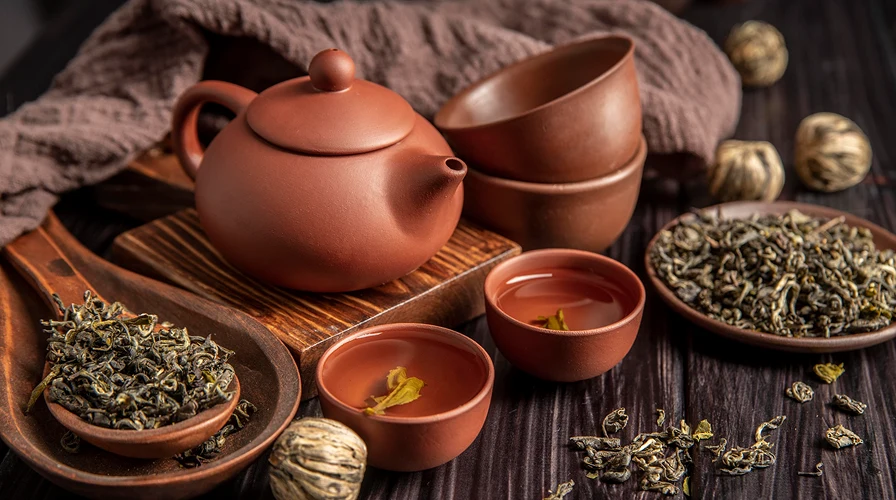
Common types of Chinese Tea include:
- Green tea: light and fresh with vegetal or floral notes, best brewed at lower temperatures
- Oolong tea: semi-oxidized with complex, layered flavors that develop over multiple infusions
- Black tea: fully oxidized and bold, offering rich aromas and a robust taste
- Pu-erh tea: aged and fermented with earthy, deep flavors that evolve over time
Fu Tea
Compared to other teas, Fu Tea is deeply earthy with subtle sweet or woody undertones, offering contrast to lighter green and oolong teas or bold black teas. Its distinctive character provides a unique sensory experience for tea enthusiasts.
Key aspects of Fu Tea include:
- Flavor: rich, smooth, and earthy, often mellowing with each infusion
- Aroma: woody, nutty, or slightly sweet
- Cultural significance: a traditional tea with historical roots in Chinese tea culture
- Multiple infusions: revealing evolving taste profiles and depth
Gongfu Tea offers a mindful and sensory experience that combines careful technique, attention to detail, and appreciation for the evolving flavors of tea. Rooted in centuries of Chinese tradition, it provides a meaningful way to connect with culture and community while cultivating presence and mindfulness. Whether sharing tea with others or practicing alone, Gongfu Tea allows participants to slow down and engage fully with each cup. At Men and Beasts, guests can experience this tradition firsthand, enjoying Gongfu Tea alongside thoughtfully sourced loose-leaf teas in a modern Chinese dining setting that blends cultural authenticity with contemporary hospitality.